

How Being “Good” Kept Me From Being Honest

When I was a little girl, my mother’s spice cabinet was nothing short of magical.
She had everything: cinnamon, garlic, thyme, each jar holding the promise of something warm, comforting, and delicious. My mom was a great cook, the kind who could turn leftovers into a feast with just the right combination of “secret ingredients.”
But there was one spice I dreaded.
Dry mustard.
It didn’t come in a pretty glass jar like the others. It lived in a yellow tin, and for reasons I couldn’t explain, it terrified me.
Not because it was spicy. She used it all the time, in egg salad, potato salad, tuna, and it never overpowered a dish. No, I was afraid of dry mustard because of what it meant.

That tin only came out when I was standing in front of her with tears streaming down my face.
I had been caught in a lie.
Now, before anyone starts mentally calling CPS for something that happened more than 45 years ago, let me say this: my mom was doing the best she could with what she knew. Her solution was simple: hold a spoonful of dry mustard in your mouth long enough, and maybe you won’t lie again.
What she didn’t know was this: the mustard wasn’t what scared me.
The truth was.
I lied because I was afraid. Afraid of punishment. Afraid of rejection. Afraid that if the truth came out, I wouldn’t be loved.
So I learned early on to cover mistakes, accidents, and wrong choices with lies.
And here’s the irony, lying only made things worse.
Trust was broken. Eyes were always on me. And the more I watched, the more I hid. By the time I reached high school, I was an expert. I had perfected the role of the “good girl”, quiet, shy, innocent. The kind of girl who could never do anything wrong.
Everyone believed it.
Even me.
As I grew older, that same pattern followed me into adulthood. I learned how to say what people wanted to hear. I learned how to play the part that earned approval. And it worked—on the outside.
But with every lie, the mask grew heavier. With every broken promise, my confidence eroded. With every role I played, I trusted myself less.
I looked successful. Put together. Capable.
Inside, I felt trapped.
And then, in midlife, the season when the noise finally quiets and the questions get louder, I realized something unsettling.
I had been deceived.
Not by others.
By myself.
I had believed lies about who I was supposed to be.
About my role as a wife and mother.
About my faith.
About my worth.
The master deceiver had been deceived.
So I asked myself the question many women quietly ask in midlife:
What is actually true?
What do I believe, not what I was taught to believe, not what keeps the peace, not what makes others comfortable, but what is honest, real, and mine?
That question marked the beginning of my journey toward self-awareness and authenticity. A journey of rediscovering who I really am beneath the roles, the masks, and the expectations.
I don’t believe this journey has an end. But I do believe it has freedom.
And I want to share what I’ve learned along the way, because so many women are living just slightly out of alignment—close enough to truth to function, but far enough away to feel exhausted, resentful, or lost.
Here are a few signs your life may not be fully aligned with truth:
You say “yes” when your whole body is screaming “no.”
You overcommit, then quietly resent it.
You hide mistakes instead of owning them.
You tell people you’ve done something when you haven’t.
You struggle to trust yourself to make wise decisions.
If any of this feels familiar, you’re not broken—you’re becoming aware.
And that’s where real change begins.
If you’re ready to live a life that is honest, grounded, and true, the Enneagram is one of the most powerful tools I know for creating deep self-awareness. It helps you understand why you do what you do, not so you can judge yourself, but so you can finally be free.
Free from fear.Free from shame.Free from the exhausting worry of being “found out.”
And maybe, just maybe, let the mustard stay in the cabinet, where it belongs.
Only used for recipes.
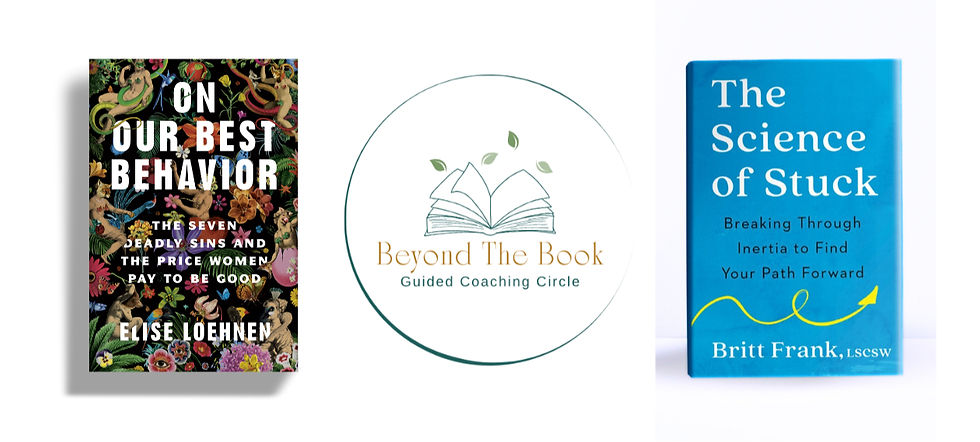
If this story resonates, it echoes the themes in On Our Best Behavior, how women learn early to manage appearances and perform “goodness” instead of living in honest alignment. Like that yellow tin of mustard, many of us weren’t taught how to tell the truth safely, only how to behave well.
That’s why On Our Best Behavior is one of the books we explore inside Beyond the Book.
Beyond the Book is where we slow down, ask better questions, and gently untangle the beliefs and behaviors that no longer serve us. Together, we move beyond surface-level goodness and into lives marked by truth, integrity, and freedom.
If you’re ready to stop managing appearances and start living authentically, I invite you to join Beyond the Book.


Comments